千图网
Chinese real estate entrepreneur wins Korean literary award, ‘atypical writer’ turns Everest experiences into literature_我的网站

A |
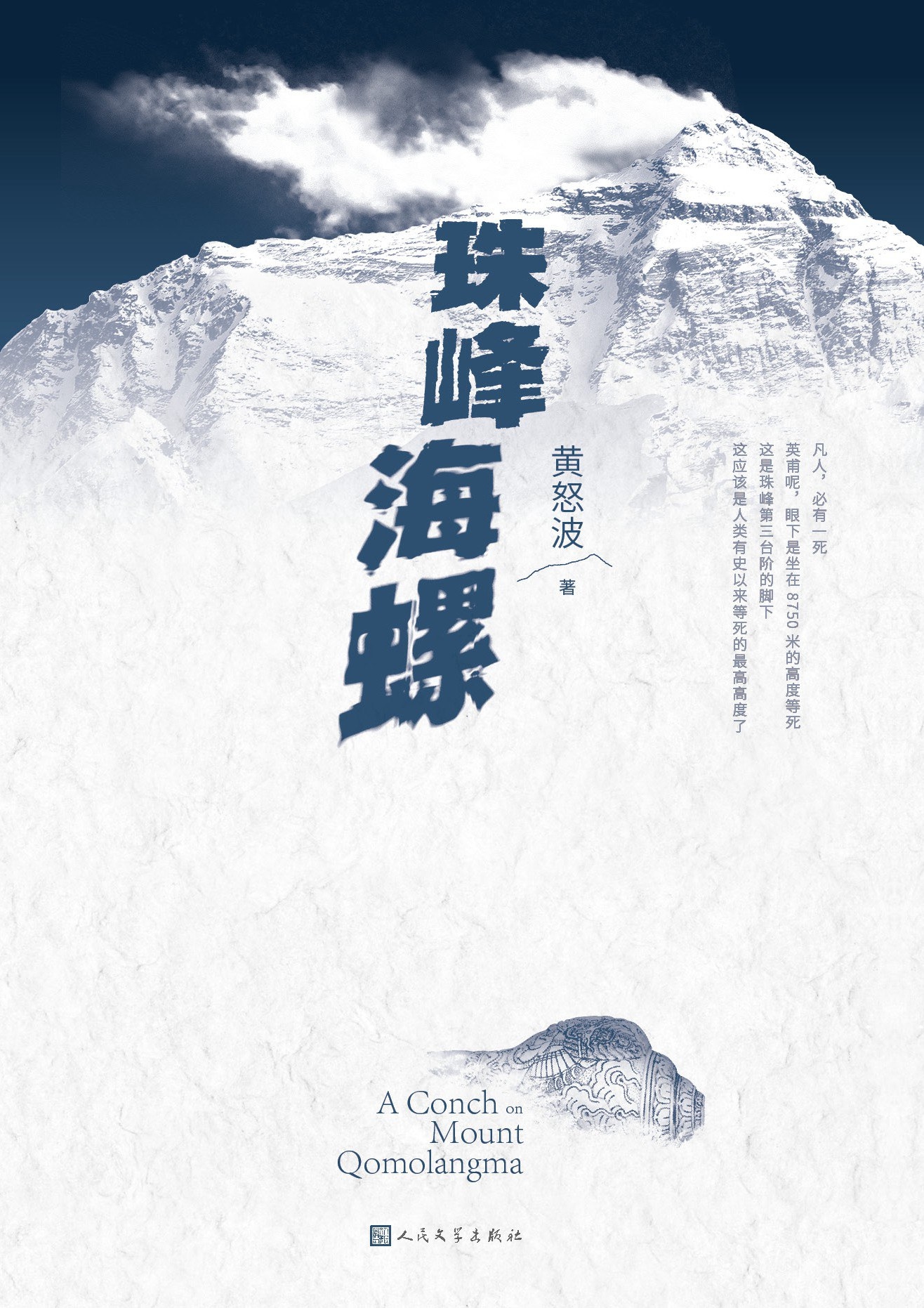
Huang Nubo's novel A Conch on Mount Qomolangma wins the top prize at the 19th Lee Byung-ju Hadong International Literary Award in South Korea Photo:Screenshot from website
Chinese real estate entrepreneur and writer Huang Nubo's novel
A Conch on Mount Qomolangma has won the top prize at the 19th Lee Byung-ju Hadong International Literary Award in South Korea, organizers announced Friday. The organizers said the novel demonstrates the author's extensive knowledge, literary depth and philosophical insight, while exploring human limitations and the direction of life in ways that resonate with readers, according to South Korean media Yonhap News Agency.
The novel follows two parallel storylines - an expedition to Mount Everest and a business crisis, while Huang himself has reached the summit of Everest three times.
Huang told the Global Times that more than half of the world's mountains above 8,000 meters are located in China. China previously had no developed mountaineering industry, but mountaineers from Southwest China's Xizang Autonomous Region have since become a strong presence on the international climbing scene, with one Xizang guide having climbed Everest as many as 12 times. Some guides have also gone on to become national ski coaches.
These changes are also reflected in the novel, in which Huang uses the world of mountaineering not only as a setting for the story, but also as a window into the people living and working in the mountains and the changes taking place around them.
"Xizang guides are also very sincere and dependable. They never abandon you or leave you behind," Huang said. For Huang, climbing Everest goes beyond reaching the summit, prompting reflection on the people he encountered, the changes he witnessed and the relationship between humanity and nature.
The "conch" in the novel's title takes these reflections from the summit of Everest into a much longer time scale. Huang explained that Everest represents "space," while the conch represents "time" - Everest was once beneath the sea, while the conch has witnessed the long evolution of life. Together, they point to human existence across time and space.

Mountaineers queue up below Camp 4 on the way to the summit of Mount Everest in Nepal, May 17, 2025. (Jenjen Lama)This content is intended for editorial use only. For other uses, additional clearances may be required. Photo: VCG
For Zhang Jiwu, professor of Chinese language and literature at Peking University, Huang himself is an unusual literary figure.
"This award winner previously worked in real estate, yet he has produced a literary work with such strong appeal and reach," Zhang told the Global Times. "His cross-disciplinary knowledge and life experience mean that the novel is not built solely on literary imagination, but is grounded in real-life experience."
That identity as an "atypical writer" is one of the aspects that makes
A Conch on Mount Qomolangma noteworthy.
People believe the novel incorporates "new realities" of modern society, including mountaineering and business competition, into its literary narrative, reflecting changes in China's economic development and social life. These experiences have provided unique material and perspectives for his literary expression, according to the China Writers Association.
This reflection on life, time and the human condition may also help explain why
A Conch on Mount Qomolangma has resonated beyond China. In Zhang's view, the significance of an overseas literary award lies not only in bringing greater international attention to a Chinese work, but also in allowing readers from different cultural backgrounds to encounter, through literature, Chinese writers' reflections on questions shared by humanity.
。 (来源:玉溪文化旅游工作)
都说,易门的夏天是被菌香唤醒的。如果你来到易门,一定要来一趟野生菌博物馆。
它坐落在风景优美的南屯湖畔,是全国首个野生菌博物馆。这里和易门城乡规划馆两馆合一,建筑面积2700平方米,也是展示易门野生菌文化最权威、最全面的窗口。不用钻进深山老林,在这里,就能一次性看遍易门大山里所有的野生菌。
走进馆内,290余种野生菌标本整齐陈列,青头菌、牛肝菌、鸡枞、羊肚菌,栩栩如生。在这里,你能分清哪些菌子能吃、哪些菌子有毒。
整个展馆,从菌乡、菌谜、菌韵、菌业四个篇章,完整讲述易门靠山吃山、与菌共生的故事。这里有山林场景还原,有易门人拾菌的生活记忆,也有人与自然和谐相处的智慧。
一朵小小野生菌,是易门人的夏日浪漫,更是一方水土的特色产业、一方百姓的致富希望。看完博物馆你才懂:为什么易门被叫作“野生菌之乡”。
山藏百味,菌润一城。如果你有空的话,就来易门野生菌博物馆,赴一场专属菌乡的菌子之约。 返回,查看更多。

B |
Current article:http://4vf06ty.chengjuecannaobianmouqueduoyu.shop/m73qy/6bh.html
Published on:22:23:58